

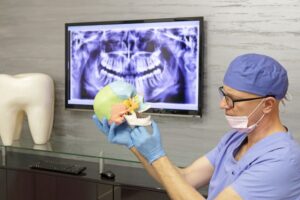
Jaw pain, limited jaw mobility, frequent headaches, and a range of other symptoms are common indicators of TMJ disorder (TMD). If you have been diagnosed with this condition, there are quite a few treatments that might provide relief. Many of them are conservative and non-surgical. But what if those first-line options are not enough? You might need to visit a specialist to talk about TMJ surgery. That prospect might sound intimidating, but knowing what to expect on the road ahead may calm your worries. This blog post provides a basic preview of your next steps.
Determining the Right Treatment Plan
Surgery is usually a last resort for treating TMD. Before recommending any type of invasive therapy, your provider will consider a number of important factors, including:
- Previous treatments: Tell your surgeon about all your past attempts at treatment and the type of results you experienced.
- Your pain level: Severe pain often indicates advanced TMJ disorder. Surgical intervention may be the best way to produce lasting relief.
- Your anatomy: Past injuries, as well as structural anomalies and diseases that affect the jaw joints, may not be treatable via non-invasive methods. Advanced imaging techniques, like X-rays or CBCT scans, can allow your surgeon to evaluate these issues and choose the type of surgery that may work best for you.
The Surgical Process
“TMJ surgery” is an umbrella term that can describe a variety of different procedures. Some of the most common approaches include:
- Lysis and lavage: This minimally invasive method involves flushing the joint with the goal of restoring mobility and reducing discomfort.
- Arthroscopic arthroplasty: This minimally invasive technique can be used to accurately diagnose your condition and to reposition a displaced disc within the jaw joint.
- Open joint reconstructive surgery: This is a more extensive and invasive procedure that may involve smoothing out the surfaces of your joints, removing diseased tissue, and reshaping the joints.
- Condylotomy: This procedure has the goal of stabilizing the jaw joints and improving their function.
Your care team will opt for the least invasive method that is likely to be effective in your unique case. Before your surgery, you can ask for a detailed explanation of what the process involves and why they recommend it for you.
What to Expect During Recovery
The recovery process after TMJ surgery depends on the details of your procedure, your overall health, and other factors. Most patients find that soreness starts to subside within several days, but it can take several weeks or longer to truly notice the benefits of the surgery. In the meantime, it is important that you closely comply with post-op instructions, which may require that you get plenty of rest, eat a modified diet, or take certain medications.
It is normal to feel a bit intimidated by the idea of TMJ surgery. Close communication with your care team and your adherence to treatment instructions can do much to soothe anxiety and help your experience go well from start to finish.
Meet Our Practice
Piney Point Oral & Maxillofacial Surgery of Katy is home to five highly skilled oral surgeons. Led by board-certified Dr. Steve Koo, we offer a broad range of services, including surgical treatment of TMJ disorder. We also provide a few non-surgical options. To learn more about us or to request a consultation, get in touch with our team at 832-353-1100.