
Oral Cancer Treatment – Katy, TX
Let Us Be on Your Team Against Cancer
Oral cancer doesn’t get a lot of attention, but on average, 132 people in the U.S. are diagnosed with this condition every day, and around 10,000 die from it each year. How can you protect yourself from this disease? Knowing about its signs and symptoms, as well as regularly getting screened, can play a huge role in early diagnosis. If you ever develop it, you can rely on our team to provide part of your needed treatment.
Why Choose Piney Point Oral & Maxillofacial Surgery of Katy for Oral Cancer Treatment?
- Board-Certified Oral Surgeons
- Empathetic Team
- Gentle and Thorough Screenings
What Is Oral Cancer?
Just like other types of cancer, oral cancer in Katy is an uncontrolled growth of abnormal cells that damages the surrounding tissues. It may develop in the mouth, in the lips, on the throat, or in other areas around the oral cavity. It is the eight-most common cancer in the world. If it remains untreated long enough, it can prove to be deadly. Fortunately, five-year survival rates for it are quite high when patients are diagnosed while the disease is still in its early stages.
Who Is at Risk of Developing Oral Cancer?
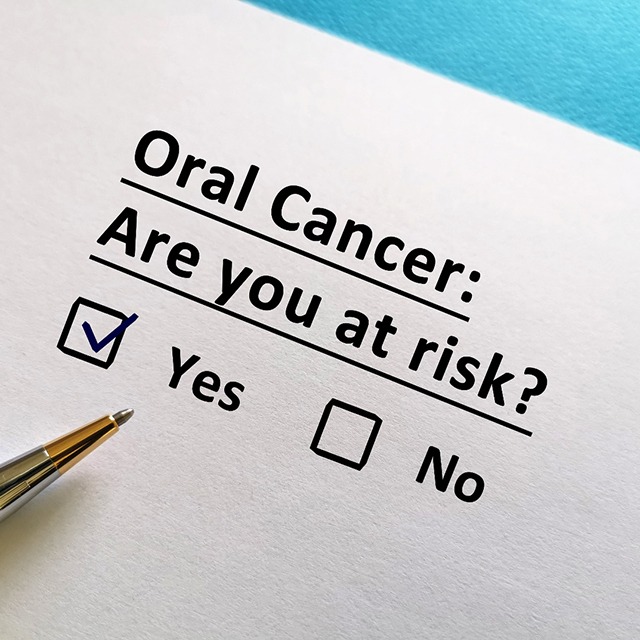
People of any age, gender, or lifestyle can develop oral cancer. However, there are some groups of individuals who are at a higher risk of suffering from it, including:
- Individuals who smoke or chew tobacco
- People who consume large amounts of alcohol (the risk is even higher when heavy alcohol consumption is combined with tobacco use)
- Those who frequently spend prolonged periods of time in the sun
- People with a history of having the human papillomavirus (HPV)
- Individuals with a family history of oral cancer
- Those who are up in age
Signs and Symptoms of Oral Cancer
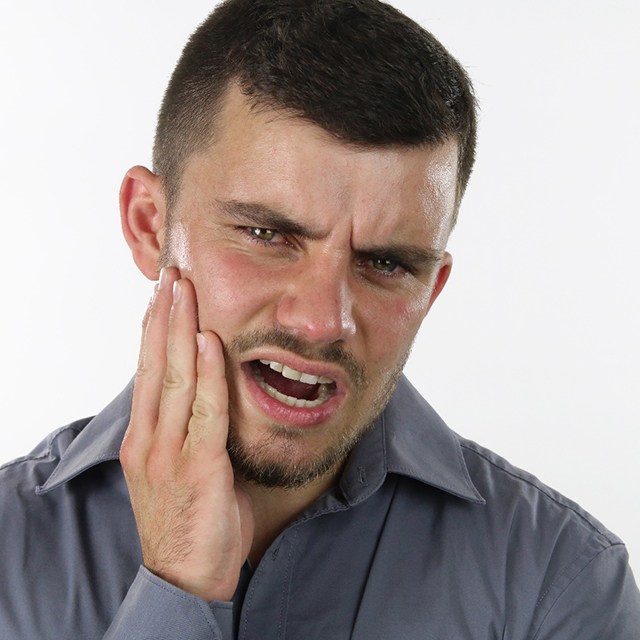
Your general dentist should perform a thorough oral cancer screening in Katy each time you visit them for a routine cleaning and checkup. We can also perform screenings in our office. This quick and noninvasive procedure can help to identify abnormalities in your oral tissues and aid in early diagnosis of oral cancer. Some things that we typically check for include:
- Lesions or sores, particularly those that take a long time to heal
- Ares of discoloration
- Lumps or bumps in or around the mouth
- Rough-textured tissues
- Asymmetries of the mouth or face
- Voice changes
- Unexplained weight loss
- Difficulty eating/swallowing
- A persistent sore throat
Reducing Your Risk

Hopefully, you never have to face a diagnosis of mouth cancer in Katy. Here are some things you can do to reduce your risk of developing this disease:
- Abstain from smoking and/or chewing tobacco
- If you choose to drink alcohol, do so only in moderation
- Wear a hat and/or lip balm with SPF when you are out in the sun
- Eat a balanced diet that is full of antioxidants
You should also be aware of any unusual changes in your oral tissues. If you ever suspect there is a problem, do not ignore it. Instead, ask for a professional oral cancer screening right away. Your diligence could save your life!
Treating Oral Cancer
Our oral surgery team in Katy is proud to coordinate with other specialists throughout our area to help patients with oral cancer. If you have been diagnosed with this disease, your oncologist may determine that you need surgery to get rid of cancerous spots or to reconstruct areas that have been adversely affected by your condition. Some of the procedures that we can perform to help you in your fight against oral cancer include:
Tumor Resection
The goal of tumor resection is to remove all or part of a tumor while preserving critical functions of nearby tissues. Although we may have to remove a small portion of healthy tissue (called a surgical margin) in order to have the best possible outcome from this surgery, we still take great care to be as conservative as possible while effectively eliminating cancerous cells.
Mandibular Resection
If a cancerous growth is in or very close to your lower jawbone (mandible), you might need mandibular resection, which is also known as mandibulectomy. During this procedure, we remove the affected part of the jawbone. In some cases, we perform a marginal mandibulectomy, where we remove just the rim of the jawbone. A segmental mandibulectomy is more invasive and may require significant reconstruction afterward.
Glossectomy
A glossectomy is a surgical procedure used to remove oral cancer on the tongue. Some patients need only a partial glossectomy, which removes less tissue than a regular glossectomy. After either procedure, we can help to reconstruct the tongue. You may also need rehabilitation services to restore your speech and swallowing abilities to the fullest extent possible.
Maxillectomy
During a maxillectomy, we fight cancer by removing part of the hard palate (the bony part of the roof of your mouth. It may be necessary if the disease started in the upper jaw or upper gums. A custom prosthetic known as an obturator or reconstructive surgery can be used afterward to restore oral function as fully as circumstances allow.
Laryngectomy
If you have severe cancer that has invaded your larynx (voice box), you might need to undergo a procedure known as a laryngectomy, during which all or part of the larynx is removed. This procedure can permanently alter your breathing, swallowing, and speech, and it may require the placement of a stoma (small hole) in your neck. Although a laryngectomy can lead to some big changes, most patients are able to return to normal activities afterward.
Neck Dissection
Advanced oral cancer may affect your lymph nodes, leading to the need for a surgery known as neck dissection. Our skilled team will remove as many lymph nodes as necessary to stop the spread of the disease and maximize your chances for a positive outcome in your fight against oral cancer. In severe cases, certain muscles and nerves may also need to be altered or removed during the procedure.
Oral Cancer Treatment FAQs
Will Any Healthy Tissue Be Removed as Part of My Oral Cancer Surgery?
In many oral cancer surgeries, a small amount of healthy-looking tissue around the tumor is removed along with the cancer. This is called a margin. We understand that this can sound concerning, but the purpose is to lower the chance that microscopic cancer cells are left behind. Before surgery, we will review your imaging, biopsy results, and overall health so we can plan carefully. During the procedure, our Katy oral surgery team will aim to remove the cancer completely while preserving as much speech, chewing, swallowing, and appearance as possible.
What Is the Survival Rate for Oral Cancer?
Survival rates for oral cancer vary widely based on the exact location of the cancer, its stage, whether it has spread to lymph nodes or other areas, and your overall health. Statistics can be helpful, but they cannot predict what will happen for one person. In general, oral cancers found early have better outcomes than cancers found later. We will discuss your diagnosis in plain language, explain what your stage means, and help you understand the goals of treatment so you can make informed decisions with your care team.
Will I Need Radiation Along with My Cancer Surgery?
Some patients need radiation after oral cancer surgery, and some do not. This decision usually depends on what is found during surgery and in the final pathology report, such as tumor size, margin status, lymph node involvement, and features of your case. If radiation is recommended, it is not because surgery failed. It is often used as an additional layer of treatment to reduce the risk of the cancer returning. We will coordinate closely with your oncology team and explain why radiation is or is not part of your plan.
How Will Oral Cancer Surgery Affect My Appearance?
It is completely understandable to worry about how surgery may change the way you look. The answer depends on the size and location of the cancer and whether tissue, bone, or lymph nodes need to be removed. Some procedures cause only subtle changes, while others may require reconstruction. When reconstruction is needed, the goal is to restore form and function as much as possible. We will be honest about expected changes, healing time, scarring, and any impact on speaking, eating, or facial movement.
What Kind of Sedation/Comfort Measures Are Used for Oral Cancer Surgery?
Your comfort and safety are central to every step of care. The type of anesthesia or sedation used depends on the complexity of the surgery, your medical history, and the treatment setting. Smaller procedures may be performed with local anesthesia and sedation, while more extensive cancer surgeries are usually completed under general anesthesia in a hospital or surgical center. We will review your medications, health conditions, airway considerations, and recovery needs before recommending the safest approach that will keep you as comfortable as possible. You will not be expected to “tough it out.”