

Dental & Facial Emergencies – Katy, TX
Expert Care for Fast Pain Relief
While it might be tempting to rush to the ER if you’re dealing with a dental emergency, it’s actually much wiser to contact dental experts like those you’ll find at Piney Point Oral & Maxillofacial Surgery of Katy. Our oral surgeons have extensive experience handling all types of urgent oral issues, and our oral surgery office can schedule same-day appointments to address dental and facial emergencies in Katy, TX, so patients can get the care and relief they need without delay.
Soft Tissue Facial Injuries

If you or a loved one sustains a serious injury to the lips, gums, tongue, or cheeks, start by applying pressure to the area to control the bleeding, and give us a call. We can close lacerations and repair any damage to restore someone’s health and preserve their appearance. But, if the bleeding continues for more than 10 minutes without slowing down, you need to head straight to the closest ER.
Bone Injuries of the Maxillofacial Region
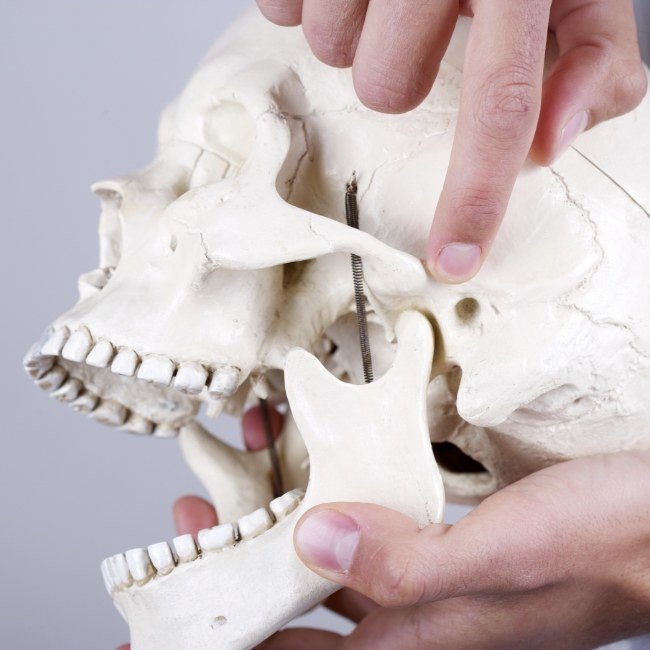
The maxillofacial region refers to your upper jaw and the adjacent facial bones, all of which can be injured in a wide variety of accidents (most commonly those associated with sports and motor vehicles). For emergency care, we can stop a patient’s pain and set the bones if necessary so the recovery process can begin right away. If any teeth need to be repaired or replaced, we can take care of this as well.
How to Handle Dental Emergencies

When you’re in the middle of a dental emergency, it can be tough to know what to do next, but we’ll make things nice and simple for you: if you even suspect that you’re dealing with a dental emergency, go ahead and call our oral surgery office. Explain your situation the best you can, and we’ll let you know what to do next, whether this involves applying first-aid and/or coming to see us right away.
How to Prevent Dental Emergencies
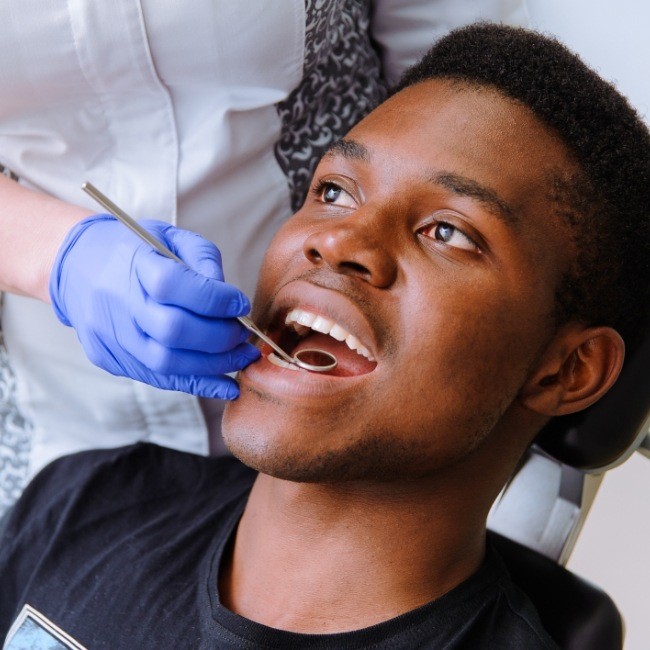
Of course, as comforting as it might be having an emergency dentist in your area, you likely want to avoid needing to make an unscheduled trip to the dentist in the first place. Here are a few simple ways to keep your smile safe and intact:
- Always wear a mouthguard when playing sports
- Don’t chew on hard, non-food items like ice, pens, pencils, fingernails, etc.
- Brush and floss your teeth every day to prevent infections and tooth loss.
- Give us a call at the earliest sign of a dental problem, as treating an issue quickly can enable us to prevent a much bigger emergency.
The Cost of Treating Dental Emergencies
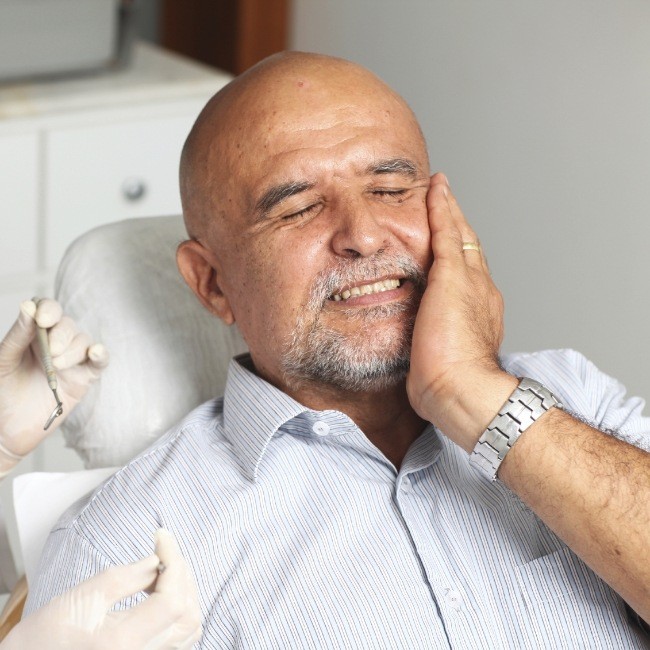
We understand that many patients may be hesitant to seek out emergency dental care because of the cost involved, but it’s important to know that waiting will only make things more painful and expensive. The sooner you come to see us, the more conservative care we can likely use to address the problem. To help further, our team can work with patients’ insurance and offer financing options to minimize any out-of-pocket costs.
Dental and Facial Emergencies FAQs
Should I Visit the ER or an Emergency Oral Surgeon First?
It is not always easy to determine where you should turn for help in an urgent situation. As a general guideline, you should visit the local emergency room if:
- You are experiencing uncontrolled bleeding (bleeding that lasts for 10 minutes or longer).
- You are having difficulty breathing.
- You experienced head trauma.
- You suspect your jaw is broken. (We can help with this, but because a broken jaw can potentially cause breathing problems, visiting the ER first is a wise precaution.)
- There are other life-threatening symptoms.
In other situations, you can call our team for guidance. Describe what happened, and we will advise you on your next steps. Our expertise equips us to handle a variety of situations that emergency room personnel might not be able to address.
How Do You Treat Soft Tissue Facial Injuries?
Soft tissue injuries to your face, such as cuts, lacerations, or punctures, require careful attention. We begin by cleaning the wound thoroughly to minimize infection risk. Our team uses delicate techniques to close wounds, aiming to preserve both function and appearance. We may recommend stitches or specialized dressings, depending on the depth and location of your injury.
After treatment, we will monitor your healing and advise you on proper aftercare. You should follow all instructions we provide to support recovery and minimize scarring. If you notice signs of infection or persistent discomfort, we encourage you to contact us so that we can help you promptly.
How Do You Treat Bone Injuries in the Maxillofacial Region?
Bone injuries in your face or jaw, such as fractures, require skilled evaluation. We begin by taking diagnostic images to determine the extent of the damage. Once we understand the injury, we develop a treatment plan that may involve repositioning the bone, stabilizing it with plates or screws, and monitoring for complications.
Throughout your recovery, we will provide ongoing support to help you regain normal function. You may need follow-up visits so that we can check your progress and adjust your care if necessary. We encourage you to communicate any changes in sensation, movement, or pain, so that we can address concerns early on.
How Can I Reduce the Risk of a Maxillofacial or Soft Tissue Facial Injury?
Protecting your face and mouth from injury is important. We recommend that you wear appropriate safety gear during sports, such as mouthguards and helmets. Avoid engaging in activities that might lead to falls or trauma (for example, it is always a good idea to hold a handrail when you are using stairs), and practice good oral hygiene to keep teeth and supporting tissues healthy.
We encourage you to schedule regular checkups with your general dentist to identify and address potential problems early. They can also provide tailored advice to help you minimize the risk of an emergency situation.
Can an Oral Surgeon Help with a Knocked-Out Tooth?
If you lose a tooth due to trauma, prompt action is vital. We advise you to handle the tooth gently, avoiding contact with the root, and attempt to place it back in the socket if possible. If this is not feasible, keep the tooth moist in milk or a saline solution and contact our office immediately.
Many general dentists are well-qualified to handle a knocked-out tooth, so visit a practice that is close by and is ready to treat you ASAP. If you receive care within an hour or two, it is possible that the tooth can be successfully replanted.
However, if the tooth cannot be saved, we encourage you to call us to talk about dental implant tooth replacement.